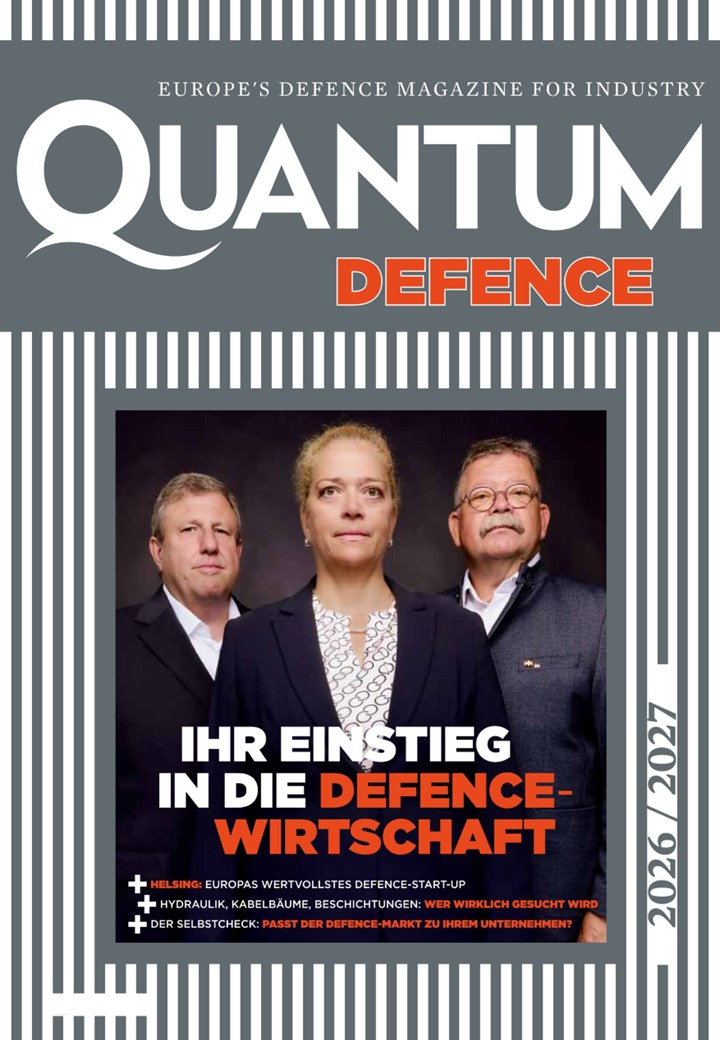
Europe’s Defense Magazine for the Industry · Issue 2026/2027
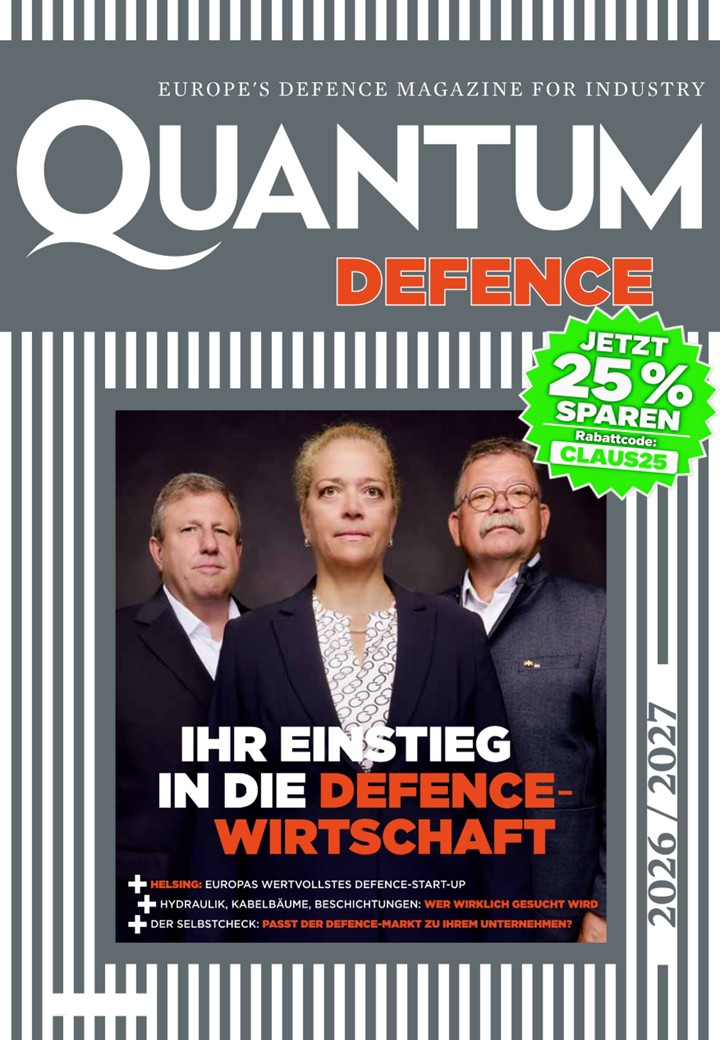
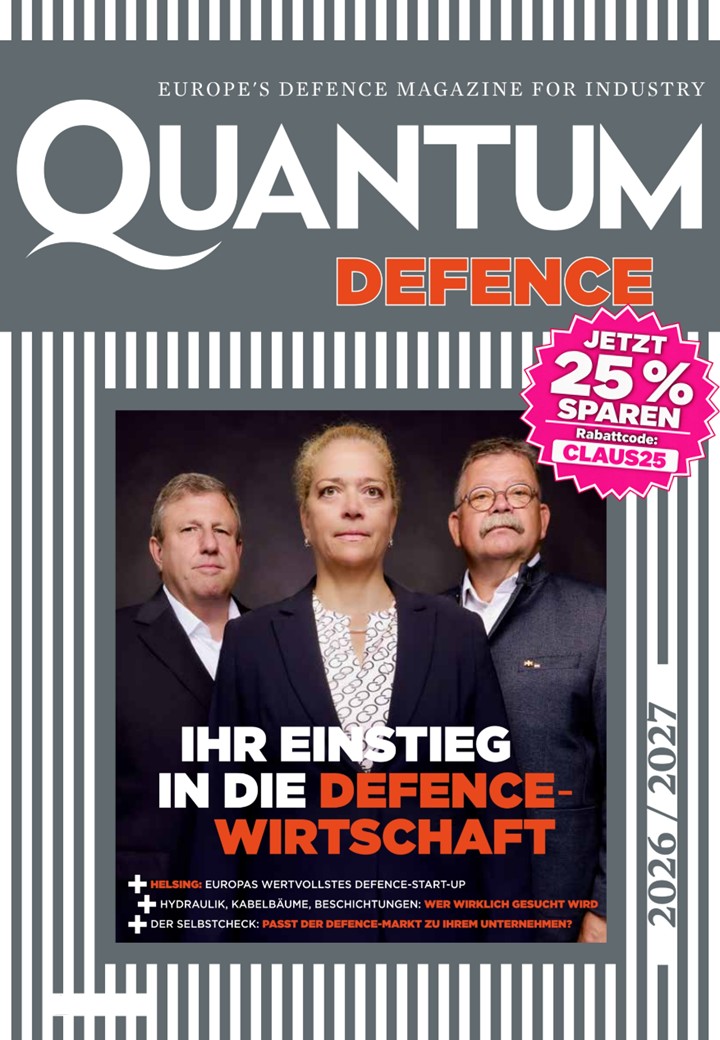
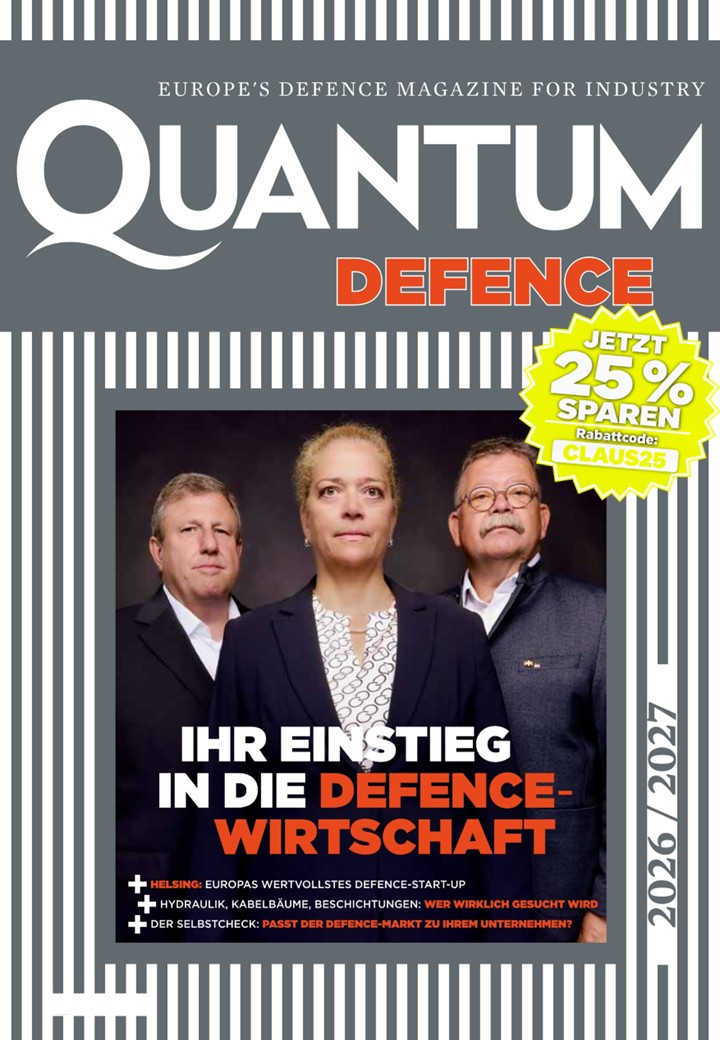
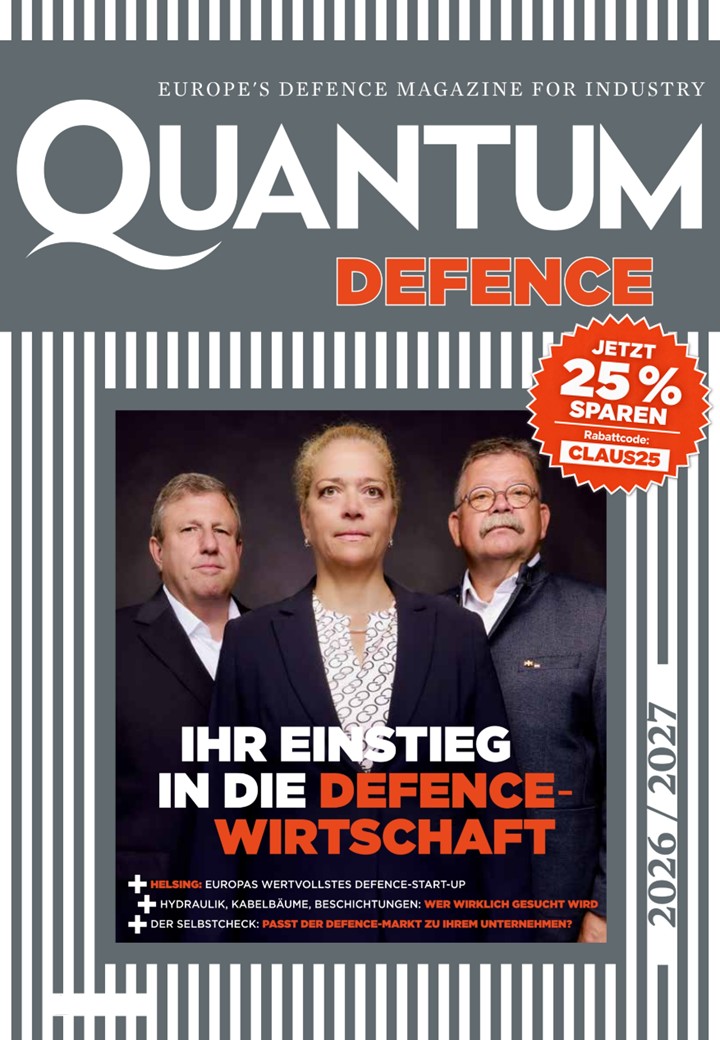
"Defense" Special Issue - Quantum Magazine
Your Gateway to the "Defense Industry"!
Germany and Europe are investing in their defense capabilities at a level not seen in decades. *Quantum* magazine shows small and medium-sized businesses the path from initial assessment to successful market entry.
1.253
300.000
10
In the spotlight
Two Perspectives, One Foundation for Defense Readiness
Quantum Magazine combines Renate H. Sattler’s strategic perspective with Dr. Claus Michael Sattler’s expertise in IT security and classified information protection. Together, they answer the crucial question every business leader faces: Is the defense market a good fit for my company?
Renate H. Sattler
Is your product defense-capable?
The market increasingly values skills over industry affiliation. Those who rule out their company with the statement “We don’t build weapons” are often mistaken. A five-question CEO self-assessment provides initial strategic guidance, because the real barrier to entry isn’t technology—it’s trust: traceability, documented changes, and transparent supply chains.
AQAP & ISO 9001: Quality as a Barrier to Market Entry
ISO 9001 demonstrates whether a company has a solid grasp of quality. In the defense sector, that is not enough. The Allied Quality Assurance Publications expand existing systems to include configuration management, government quality assurance, long-term traceability, and the extension of requirements throughout the supply chain. A gap analysis reveals these gaps.
Dr. Claus Michael Sattler
NIS2 in the engine room
Approximately 30,000 companies are directly regulated, and an estimated 300,000 suppliers are indirectly regulated through their major customers. Seven core areas—ranging from risk management to training—determine access. In the defense sector, NIS2 is not the maximum standard, but the minimum.
VS-NfD, NATO Restricted, etc.
Security clearance is the invisible barrier to entry in the defense market. “VS-NfD” is the lowest level, but legally it is classified as a state secret. Four levels of classification, an admission process lasting several months, and the key role of the security officer shape the path. Security clearance is a leadership responsibility, not a staff function.
Highly Secure IT and Digital Sovereignty
Only products on the BSI-approved list may process classified information, without exception. SINA from secunet forms the backbone of the system, supplemented by solutions from Apple, Dell (in partnership with Rohde & Schwarz), and HP (in partnership with Genua). Choosing European alternatives is not a matter of patriotism, but of strategic soundness.
Data as a Weapon: Cyber Resilience as a Leadership Issue
Data is the battlefield. Attackers don’t target the large system integrators first; instead, they target the weakest link in the supply chain. Cyber resilience doesn’t mean preventing every attack; it means remaining capable of acting immediately after an attack. The most common attack vector isn’t technology—it’s people.
Three Strategic Tasks for Small and Medium-Sized Businesses
Three factors determine market access. All three are significant barriers to market entry. All three can be overcome. And all three require decision-makers to act now.
NIS2 Compliance
Cybersecurity is a requirement, not an optional program. As of December 5, 2025, the Implementation Act requires companies to implement comprehensive security measures and places the burden on the entire supply chain.
VS-NfD through Top Secret
A lack of security measures can cost you contracts. Only BSI-approved products may be used for data processing. The security officer’s confirmation constitutes an assumption of liability.
AQAP Capability
Verifiable quality is a NATO requirement. The AQAP 2110 core standard expands traditional quality management systems to include configuration management, traceability, and supply chain oversight.
What to Expect in This Issue
Renate H. Sattler
Is your product defense-capable?
AQAP & ISO 9001
Renate H. Sattler & Dr. Claus Michael Sattler
Defense Readiness: Three Tasks
Dr. Claus Michael Sattler
NIS2 in the engine room
Dr. Claus Michael Sattler
VS-NfD, NATO Restricted, etc.
Dr. Claus Michael Sattler
Highly Secure IT
Dr. Claus Michael Sattler
Cyberwar in Germany
Dr. Claus Michael Sattler
Data as a Weapon
More Voices in Quantum Magazine
The main articles are supplemented by contributions from other authors in the network, who shed light on specific aspects of market entry. These contributions round out the picture, though they remain peripheral compared to Sattler’s articles.
The European defense market is not open to everyone, but only to companies that are prepared.
Those who start today will gain a competitive edge tomorrow. Quantum Magazine helps small and medium-sized businesses become defense-ready and provides a comprehensive guide on how to do so.
Quantum Magazine · Summary of the 2026/2027 Issue